

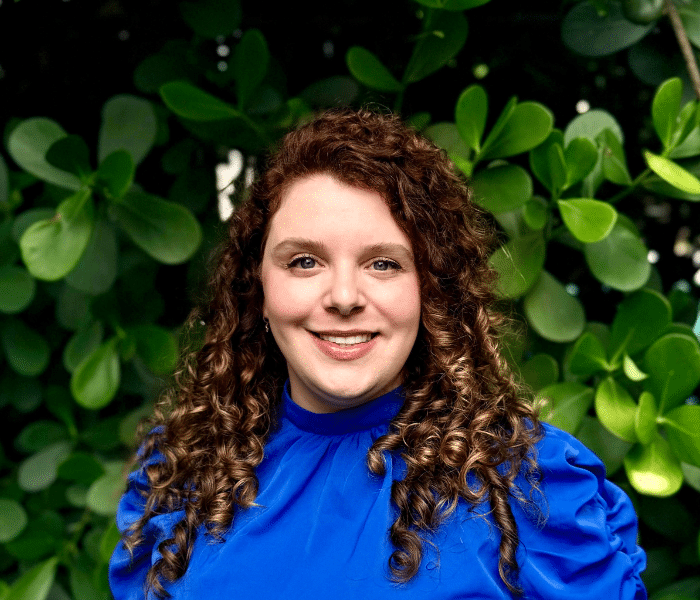
Natasha Kostek, Psy.D.
Natasha Kostek, Psy.D.
Dr. Natasha Kostek is a NYS licensed psychologist whose practice centers on evidence-based treatment of anxiety and related conditions, depressive disorders, emotion regulation difficulties, executive dysfunction, and disruptive behavior challenges. In her work, Dr. Kostek integrates cognitive-behavioral therapy (CBT), acceptance and commitment therapy (ACT), and dialectical behavior therapy (DBT) techniques to provide person-centered care for children, adolescents, and adults. She offers individual therapy, group therapy, and parent training.
Dr. Kostek brings genuineness and empathy to her work, focusing on clients’ strengths and viewing herself as part of a team with clients and families in working toward collaboratively identified goals. Recognizing that many individuals and families come to therapy during periods of significant pain and hardship, she strives to create a warm, accepting, and nonjudgmental space in which clients can feel understood and supported. She encourages clients to approach themselves with self-compassion while also helping them to identify and work toward meaningful changes that can help them build richer, more easeful lives.
Dr. Kostek applies this collaborative perspective across the broader systems that shape her clients’ lives. When working with youth, she actively involves parents as key members of a child’s therapeutic team. She partners with caregivers and families to promote consistency and reinforce progress outside of sessions, while also offering dedicated Behavioral Parent Training when indicated. When possible, Dr. Kostek regularly consults with school personnel and other providers to coordinate care and advance clients’ therapeutic goals in an integrated manner.
Dr. Kostek is also passionate about group-based interventions and has experience leading and co-leading grief, DBT skills, social skills, and prenatal parent support groups. She also participated in co-creating a weeklong obsessive-compulsive disorder (OCD) intensive treatment program and co-leading intensive selective mutism (SM) and attention-deficit/hyperactivity disorder (ADHD) programs.
Dr. Kostek’s clinical training stems from her Master’s and Doctoral degrees in School Psychology from St. John’s University, as well as clinical experiences across school, community mental health, group private practice, inpatient, and integrated primary care settings.
- Children
- Adolescents
- Adults
- Individual Therapy
- Group Therapy
- Behavioral Parent Training
- Family Involvement
- Collaboration Across Settings
Education

St. John’s University
Dr. Kostek earned her Master’s and Doctoral degrees in School Psychology with a Bilingual emphasis from St. John’s University. Her Doctoral dissertation focused on the identification of anger subtypes in youth.

New York University
Dr. Kostek earned her Master’s degree in Psychology with a concentration in Clinical Psychology from New York University. Her Master’s thesis examined school bullying among children and adolescents with tic disorders.

Cornell University
Holds national certification in school psychology, reflecting specialized training and competency in school-based assessment, intervention, and collaboration with educators and families.
Clinical Experience

Montefiore Medical Center/Albert Einstein College of Medicine
Prior to joining Westchester Anxiety Treatment, Dr. Kostek completed a Postdoctoral Fellowship in Pediatric Psychology through the Behavioral Health Integration Program (BHIP) at Montefiore Einstein. In close collaboration with pediatricians, she provided integrated primary care services, including diagnostic assessments, short-term psychotherapy, safety risk assessments, and preventive parent-child dyadic therapy. As part of the HealthySteps:BRIDGE clinical research team, Dr. Kostek provided individual and group support to perinatal clients, co-presented an award-winning poster on a 6-week prenatal parent support group, and co-authored an article on perinatal mental health during the “fourth trimester”. Additionally, she delivered clinical trainings on infant mental health principles and perinatal interventions to medical and behavioral health providers.

Westchester Jewish Community Services
Dr. Kostek completed her APA-Accredited Internship at Westchester Jewish Community Services (WJCS), receiving specialized training in treating complex trauma, grief intervention, comprehensive Dialectical Behavior Therapy (DBT), and psychoeducational and autism assessment. She also supported a grant-funded initiative to expand trauma-focused services for underserved youth, co-developed and evaluated a grief measure, and provided clinical trainings to mental health therapists on trauma-informed care and foundational Cognitive-Behavioral Therapy (CBT) techniques.

Northwell Health/Zucker Hillside Hospital
Dr. Kostek received clinical training through the Inpatient Track of the Behavioral Health College Partnership (BHCP) at Northwell Health/Zucker Hillside Hospital, completing rotations on young adult and traditional adult psychiatric units. She provided brief individual and group therapy informed by CBT and DBT principles, conducted risk assessment and crisis intervention, and facilitated discharge planning for individuals with severe psychiatric conditions. She collaborated closely with interdisciplinary psychiatric teams and actively contributed to the Psychology Department’s Council for Anti-Racism and Equity (CARE) newsletter.

Pleasantville Union Free School District
Dr. Kostek delivered school-based psychological services at a public high school, supporting students across special education and general education programs. She provided individual counseling, evaluation, crisis intervention, and consultation services, with a focus on bolstering students’ learning, emotion and behavior regulation, executive functioning, communication, and independence. She collaborated with families and school staff on concerns such as school refusal, truancy, and disruptive behaviors, and her psychoeducational evaluations informed Individualized Education Program (IEP) and Section 504 programming.

Cognitive Behavioral Consultants
Dr. Kostek completed clinical training at Cognitive Behavioral Consultants (CBC), a group private practice, providing evidence-based treatment to children, adolescents, adults, couples, and families across a range of presenting concerns, including anxiety, mood, obsessive-compulsive, and disruptive behavior disorders. She delivered CBT, Acceptance and Commitment Therapy (ACT), Parent-Child Interaction Therapy (PCIT), and comprehensive DBT interventions.

Mineola Union Free School District
Dr. Kostek completed school-based training at a public middle school, providing counseling, evaluation, consultation, and crisis intervention services. She delivered individual and group counseling focused on executive functioning, emotional and behavioral regulation, and social skills. She collaborated with staff to implement behavioral interventions and also conducted psychoeducational assessments that informed students’ IEPs and Section 504 Plans.

St. John’s Center for Psychological Services
Dr. Kostek completed practicum training in psychotherapy, psychological assessment, and assessment supervision at St. John’s University’s training clinic. Her assessment training included comprehensive evaluations of children and adults presenting with a range of neurodevelopmental and emotional concerns. She later provided peer supervision in psychoeducational assessment to more junior doctoral students. Her psychotherapy training included provision of CBT to youth presenting with anxiety, depression, and emotion regulation difficulties.