

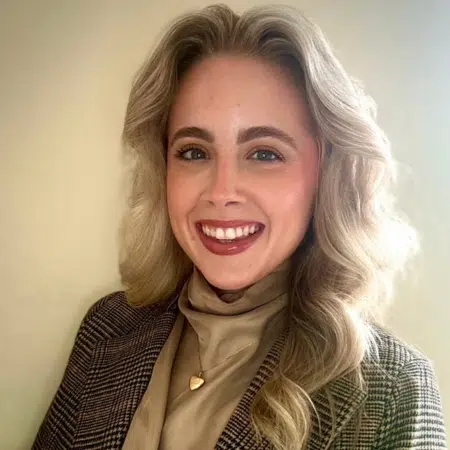
Michelle Kirkland, Psy.D., NCSP
Michelle Kirkland, Psy.D., NCSP
Dr. Michelle Kirkland, a NYS licensed psychologist, earned her master’s and doctoral degrees in school psychology from St. John’s University in Queens, NY. She works with individuals across the lifespan and has trained at Northwell Health–Zucker Hillside Hospital, NYU Langone, and St. John’s University. Previously, she served as the Director of Clinical Training at North Coast Psychological Services, PLLC.
Dr. Kirkland is trained in Cognitive Behavioral Therapy (CBT), Rational Emotive Behavior Therapy (REBT), Behavior Therapy (BT), Behavioral Parent Training (BPT), and in the principles of Dialectical Behavior Therapy (DBT) and Acceptance and Commitment Therapy (ACT). She prioritizes evidence-based interventions aimed at understanding and deconstructing problematic thought and behavior patterns to create more flexible and realistic ways of thinking and acting.
Known for her gentle yet direct encouragement, Dr. Kirkland enjoys working with clients motivated to make meaningful, lasting change. She specializes in exposure-and-response-prevention (E/RP) for anxiety, anxiety-related disorders, and obsessive-compulsive disorder (OCD), as well as behavior activation therapies for depressive disorders in both children and adults.
In addition to outpatient work, Dr. Kirkland leads intensive outpatient programs for generalized and social anxiety disorders, OCD, and school refusal, guiding clients and families through treatment decisions and protocols. Building on over six years of experience in applied behavior analysis (ABA), she also adapts CBT for individuals on the autism spectrum with co-occurring anxiety and/or OCD. Her research and publications focus on modifying behavioral parent training and CBT approaches for special populations.
Dr. Kirkland also works effectively with behavioral difficulties such as oppositional defiance, ADHD, and executive functioning weaknesses. Her philosophy prioritizes comprehensive, goal-oriented treatment that fosters skills transferable to home, school, social, and community settings. She incorporates creativity, humor, and data-driven techniques tailored to each client’s strengths and needs.
As a nationally certified school psychologist with more than four years of experience in educational settings, Dr. Kirkland offers consultation and guidance to families involved in both general and special education programs. She frequently participates in team, 504, and CSE meetings as requested.
- Children
- Adolescents
- Adults
- Individual Therapy
- Family Involvement
- School-Aged Youth & Education Systems
Education

St. John’s University
Earned a master’s degree in school psychology from St. John’s University in Queens, New York, with training focused on assessment, intervention, and support for children, adolescents, and their families.
St. John’s University
Completed a Doctor of Psychology (Psy.D.) in school psychology at St. John’s University in Queens, New York, with advanced training in psychological assessment, evidence-based treatment, and systems-level consultation.

National Certification in School Psychology
Holds national certification in school psychology, reflecting specialized training and competency in school-based assessment, intervention, and collaboration with educators and families.

Zucker Hillside Hospital (Northwell Health)
Completed clinical training at a major hospital-based mental health center, gaining experience in assessment and treatment for a broad range of psychiatric and psychological conditions across the lifespan.

NYU Langone
Trained within a large academic medical center, with exposure to multidisciplinary care and evidence-based interventions for anxiety, mood, and related disorders.
St. John’s University Training Clinics
Received supervised clinical experience through university-based training clinics, providing assessment and therapy services using evidence-based approaches such as CBT and related behavioral interventions.